
On-site measuring and fit planning
We measure each opening and review how the cladding will meet your siding or stucco so reveals, returns, and trim thickness look balanced.
Serving Calgary, Alberta & surrounding areas
Mon–Fri 8am–6pm Sat 9am–2pm
Clean, crisp trim lines and durable protection for exposed wood around your windows. We measure precisely, form the metal neatly, and finish with tight joints that look right up close.
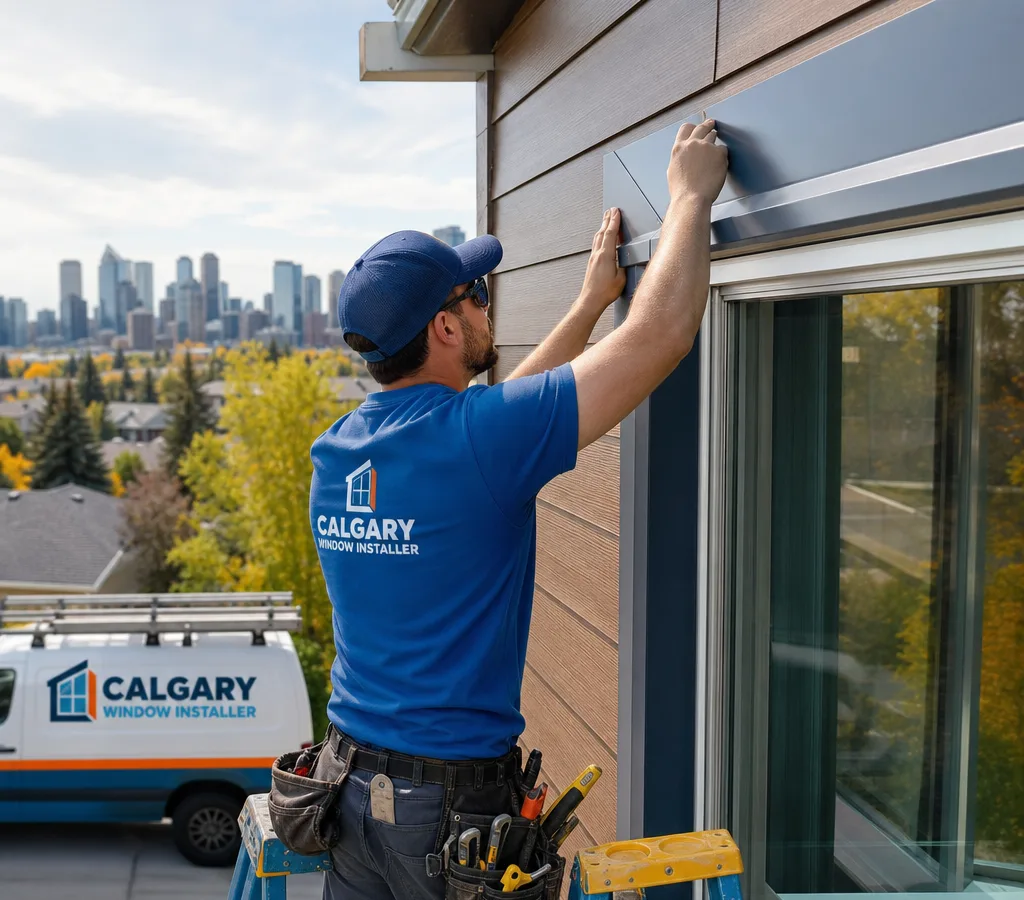
Window cladding—often called window capping—is a formed metal wrap installed over exterior wood trim around the window. The goal is straightforward: protect vulnerable trim from moisture and UV, reduce maintenance, and give the opening sharp, consistent lines.
Done properly, the cladding sits flat, follows the window's geometry, and sheds water away from the frame. Corners should be crisp, seams should be planned so they are tidy and logical, and there should be a clean transition to siding, stucco, or brick. In Calgary, that attention to detail matters because wind-driven rain and quick freeze-thaw cycles can punish any gap that traps water.
Calgary Window Installer focuses this service on the parts you can see and the parts that prevent problems: accurate measuring, correct bends on the brake, smart seam placement, proper drip edges, and careful sealing where it belongs. The end result should look like it was built with the house, not added later.
Book Your Free InspectionExterior trim takes more abuse than most people realize. South- and west-facing windows get strong UV that bakes paint and dries out caulking. Wind can drive rain into tiny joints. Then temperatures swing and any trapped moisture expands when it freezes.
Good window cladding installations account for that reality. We form the metal to manage water, not just to cover wood. That means a positive slope where it belongs, edges that direct water away from the window assembly, and clean closures so water is less likely to sit behind the wrap.
If your home is in neighborhoods with a lot of older wood-trim details like Altadore or Bowness, cladding can be a practical way to keep the character of the trim profile while cutting down on scraping and repainting. In newer areas like Evanston or Mahogany, where openings are more uniform, consistent capping lines can sharpen the whole elevation and help match new windows to existing finishes.
For projects that also include replacing units, it is often best to plan cladding together with window installation so the exterior finish lands correctly at the frame and looks intentional.
Book Your Free Inspection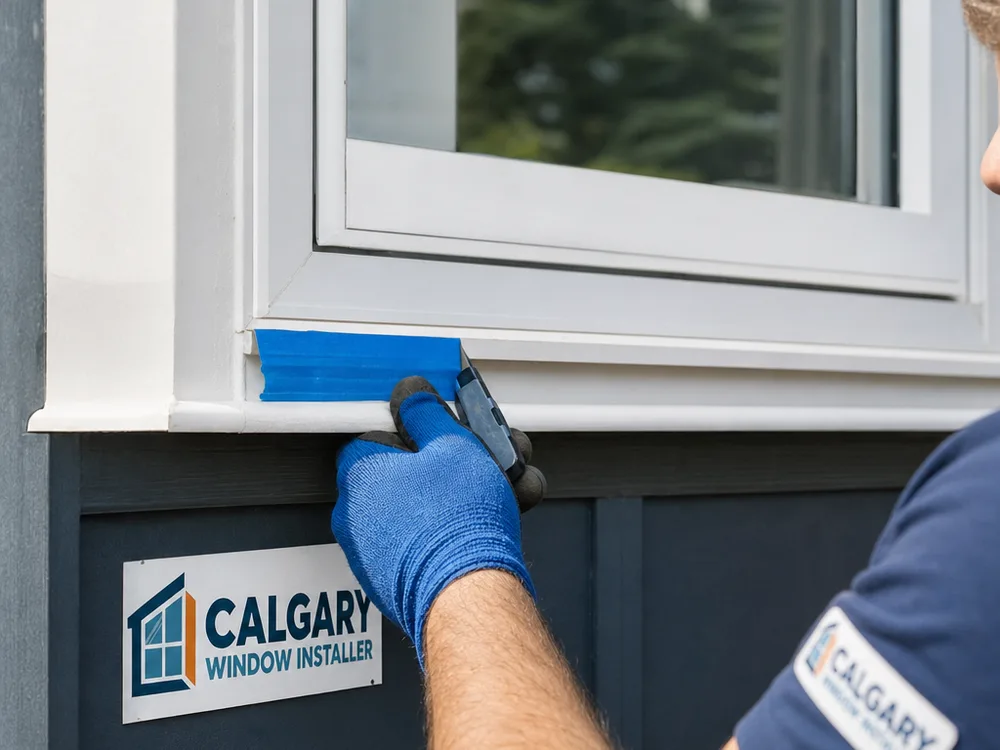
We measure each opening and review how the cladding will meet your siding or stucco so reveals, returns, and trim thickness look balanced.
We form bends for head, jamb, and sill areas so the wrap sits tight and maintains straight lines across the opening.
We build corners to look clean and stay stable. Seams are placed intentionally so they are less noticeable and less exposed.
We seal at the correct transitions and avoid over-caulking that makes future work messy. The goal is water management and a tidy finish.
We help you choose a finish that suits your frames, soffit and fascia, or existing trims so the cladding looks like part of the exterior design.
We check edges, corners, and caulk lines up close, then tidy the work area so you are not left with metal scraps or fasteners.
We look for soft wood, failed paint, open joints, and tricky transitions such as brick mold, stucco returns, siding J-channel, or deep sills. If trim is deteriorated, we flag what needs repair before wrapping.
We align on the look: what stays visible, what gets wrapped, and where seams will land. This is also when we confirm the finish so it matches the exterior.
Pieces are bent to measured dimensions so they sit flat without oil-canning and keep consistent reveals. Any adjustments are made before final fastening and sealing.
We install the cladding, seal only where required at terminations, and do a close inspection of corners, drip edges, and lines. You get a clear view of the finished details.
Most window cladding projects in Calgary typically range from about $250 to $900 per window, depending on window size, trim depth, and how complex the returns and sill details are. A straightforward cap on a standard opening is usually at the low end, while larger picture windows or bay-style details tend to price higher.
Your final price depends on access—ladders versus staged areas—trim condition and prep, the number of pieces and seams required, and color or finish matching. Exact pricing is confirmed after an on-site measure and condition check.
Book Your Free InspectionMost people start looking for Calgary window cladding when trim becomes a repeat maintenance project. If you have been repainting the same sills and jambs every few seasons, capping can protect the substrate and keep the exterior looking sharp.
Book Your Free InspectionCladding is not a fix for rotten wood, but once repairs are made, wrapping helps protect the repair from weather exposure.
Fresh window frames beside tired trim can make the whole elevation look uneven. Consistent capping helps tie the exterior together.
Some joints move with temperature swings. Well-formed metal reduces reliance on oversized caulk beads to look finished.
This is especially noticeable around larger openings where slight waves or uneven paint buildup stand out. When comparing options, ask how corners, head drip edges, and terminations into siding or stucco will be handled.
Send a few photos and tell us which openings you want wrapped. Calgary Window Installer will confirm the scope, review finish options, and provide a clear plan for window cladding that suits your exterior.